


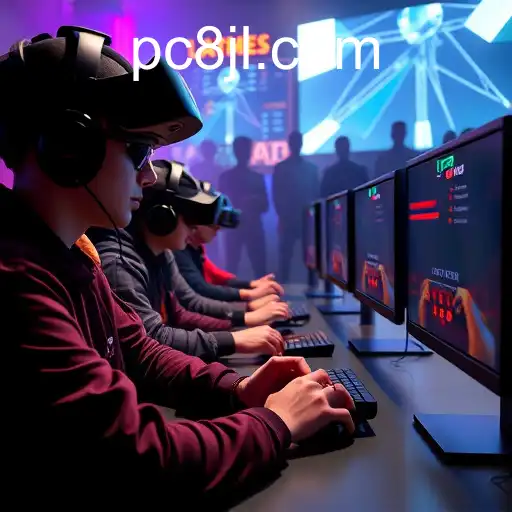
In recent years, online gaming communities have emerged as a significant aspect of digital culture, providing millions of players around the globe with spaces to connect, compete, and communicate. With the rise of platforms like 8jl, the gaming industry has seen a shift towards more inclusive and interactive online environments where players from different backgrounds can collaborate and share experiences.
As of 2026, the gaming landscape has become more dynamic, driven largely by technological advancements and a growing emphasis on community building within games. The influence of these communities extends beyond mere entertainment, as they often serve as forums for social interaction, learning, and even career development. Increasingly, professional gamers, streamers, and content creators are capitalizing on these platforms to engage with their audiences on a deeper level, making gaming a viable career path for many.
The economic impact of gaming communities cannot be understated. With a noticeable increase in sponsorships, advertising, and monetization opportunities, these communities contribute significantly to the global economy. Companies are investing heavily in gaming infrastructure, thus transforming how games are developed, shared, and experienced worldwide.
However, the rapid expansion of online gaming communities also raises questions about digital governance and user safety. Ensuring that these spaces remain inclusive and free from harassment is a persistent challenge that requires ongoing attention from developers, platform moderators, and the communities themselves.
Looking forward, the next frontier for online gaming communities seems to be in the realm of virtual reality (VR) and augmented reality (AR). These technologies promise to further blur the lines between real-life and digital interaction, offering unprecedented levels of immersion and new opportunities for community growth and engagement.